Crosses of stone, wood and iron
CROSSES OF STONE, WOOD AND IRON
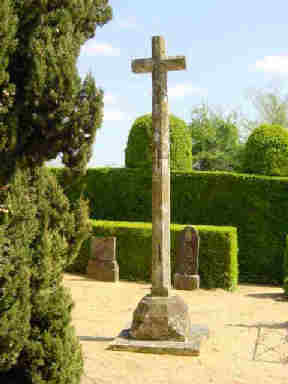
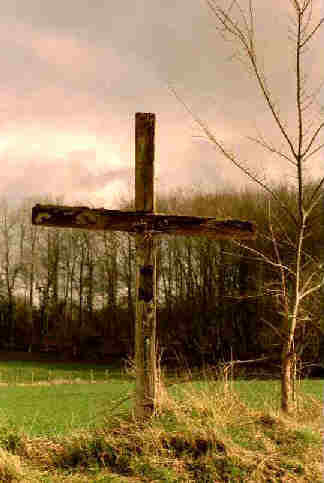
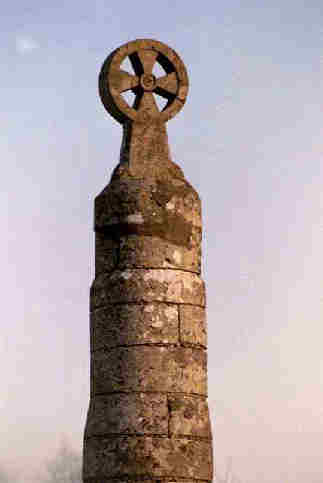
Crosses are a common sight in the Pays de Loire. They also differ in their age, the material used and their significance. Mission crosses are usually fairly recent (late 19thand early 20th century). Crossroads crosses are older and more interesting. Crossroads were busy places, frequented by travellers and pilgrims but also by highwaymen... The cross represented a protection and a moral comfort. Sometimes, they marked the boundary between two villages. Some commemorate tragic events such as murders, violent deaths, epidemics of plague or cholera. (they indicate mass graves) In graveyards, some crosses are very old and have been transferred from the old churchyards to new cemeteries outside towns and villages in accordance with the new legislation. Very few churches have retained their churchyards and their crosses. The material used is often a type of stone known as "roussard", but some crosses are made of wood or wrought iron. The shape of the crosses varies according to the period and the region (Latin crosses, Celtic crosses, Maltese crosses, crosses of Anjou or Lorraine, etc.
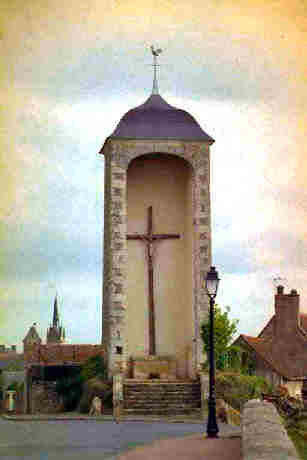
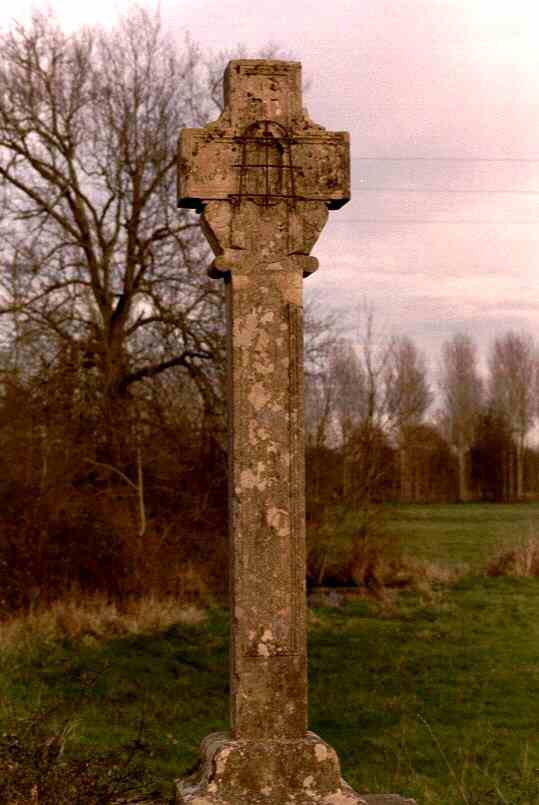
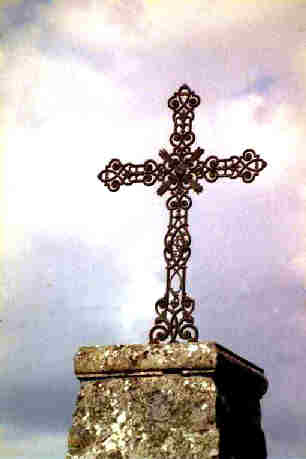
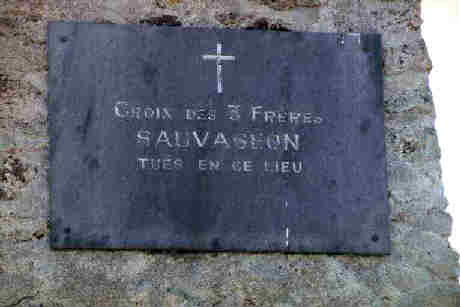
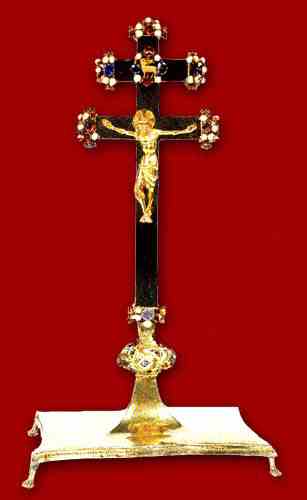
Cross of Anjou with two crossbeams made from the wood of the true cross of Christ. Brought from Crete by Jean d'Alluye in 1241, it was ceded to the monks of the Boissière abbey in 1244. Hidden in Angers during the Hundred Years war, it became the symbol of the Duchy of Anjou. After king René's marriage to Isabelle of Lorraine, the cross of Anjou became the cross of Lorraine. Transferred to Baugé during the Revolution, it can still be admired in the chapel of the incurables. In June 1940, General de Gaulle chose the cross of Anjou or cross of Lorraine as the emblem of Free France
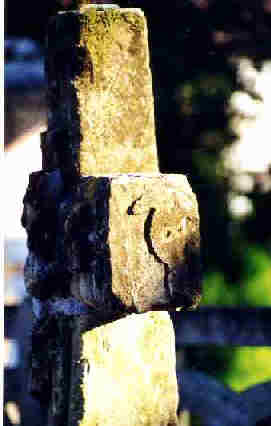
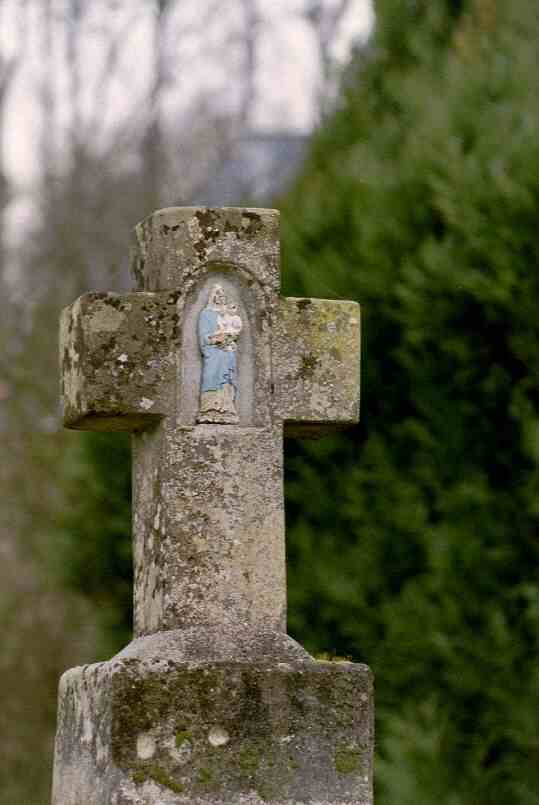
Gallery
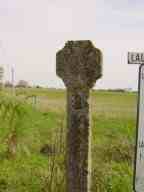
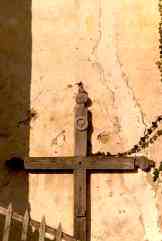
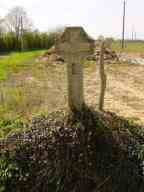
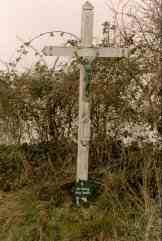
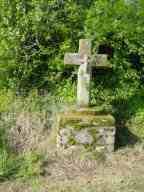
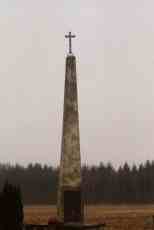
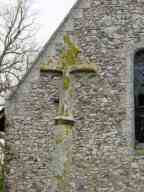
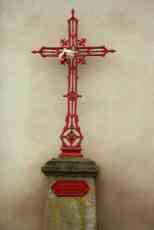
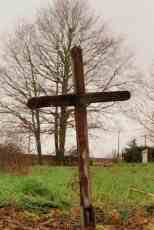
1) Croix d'Athenay 2) Croix d'Avessé 3) Croix de Beauveau 4) Croix de Bousse 5) Croix de Chalou 6) Croix de Chantenay 7) Croix Brette 8) Croix de Varennes-Bourreau 9) Croix des Rotes à Thoiré