Home › Churches › Centre-Val de Loire
Channay-sur-Lathan

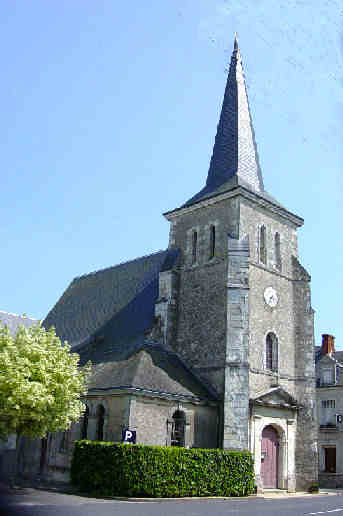
EGLISE SAINT-QUENTIN
St. Quentin: Roman martyr whose relics were already at Saint Vermant (the present Saint Quentin in the département of Aisne) in the reign of Clovis. His name means that he was the fifth child of the family
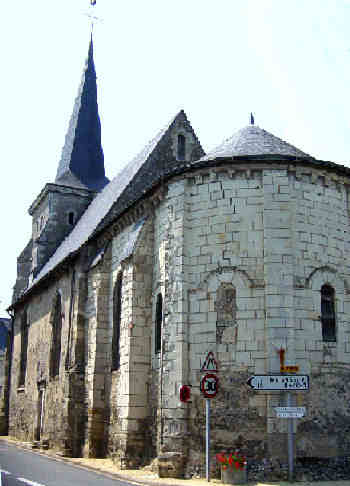
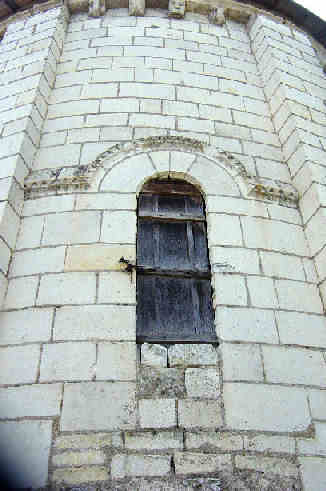
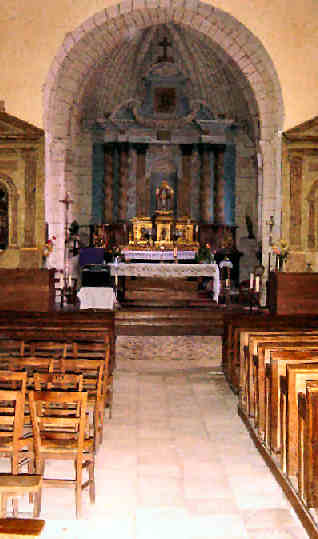
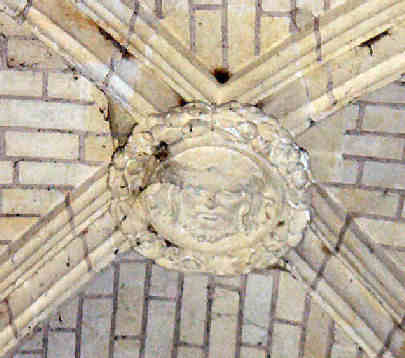
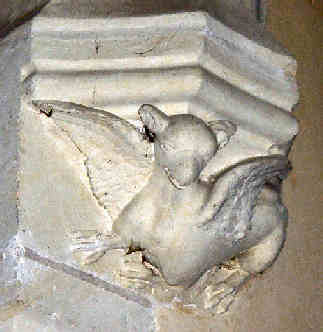
The church dates from the 12th century but has undergone major alterations. The nave and apse are Romanesque. The north chapel was added in the 15th or 16th century. The original west façade is concealed behind the modern tower
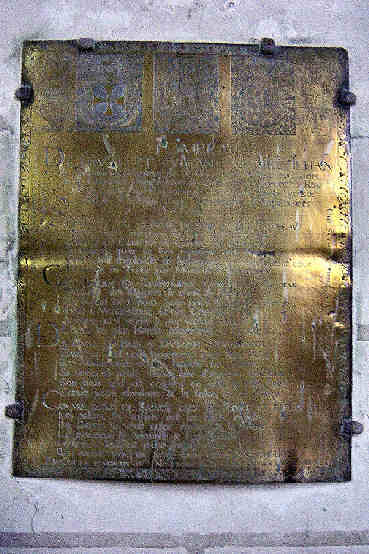
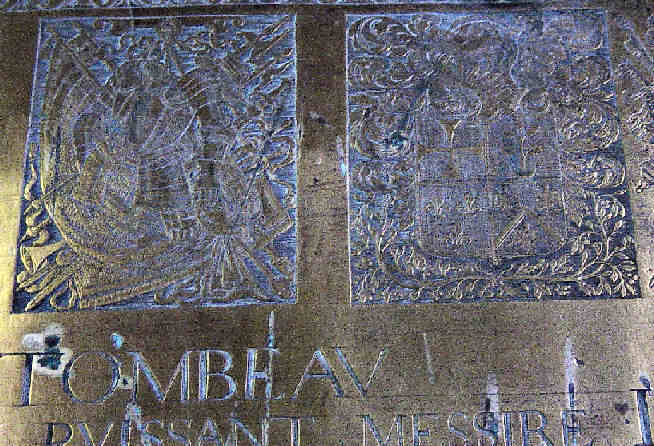
TO THE HIGH AND MIGHTY LORD JEHAN DE SAVONNIERS, LORD OF SAINT-GERMAIN, VIVIER DES LANDES AND G... YOUNGER SON OF LA ROCHE, KNIGHT OF THE ROYAL ORDER, COMMANDER OF A REGIMENT OF TEN COMPANIES OF FOOT, CAPTAIN OF A COMPANY OF MOUNTED HARQUEBUSIERS
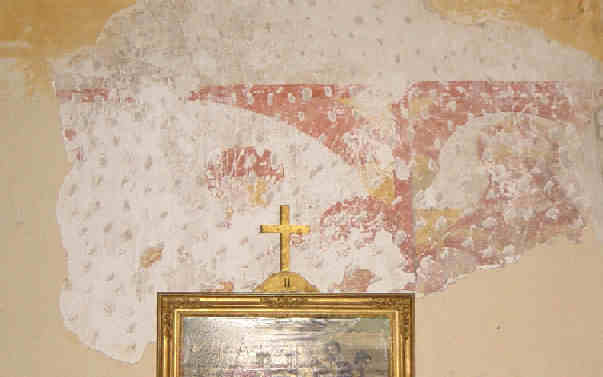
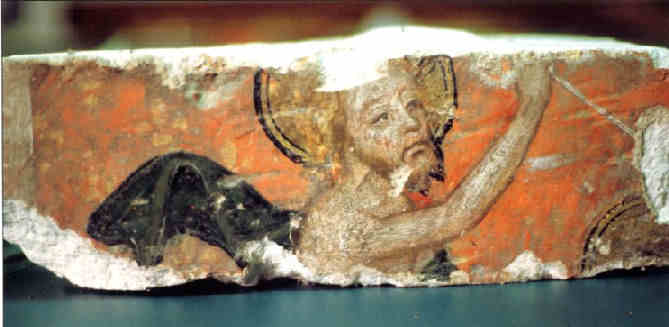
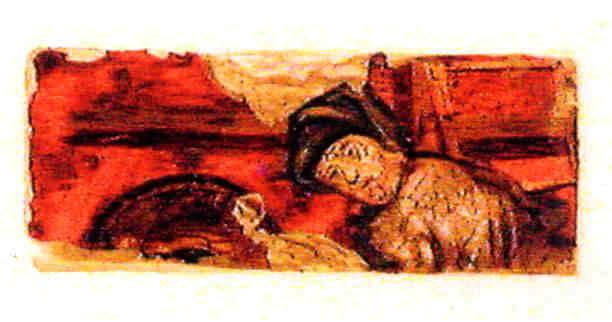
THE WALL PAINTINGS
Until the 1950s, no one suspected the presence of wall paintings in St. Quentin's at Channay-sur-Lathan. The Romanesque apse had been concealed and blocked by a stone retable since the 17th century. In the 50s, two idle kids found a gap in the retable and crawled into the apse. They found gragments of wall paintings lying on the ground and , liking the colours, took two of them home. The fragments were studied and reproduced in watercolour, then everyone forgot the incident. Recently, one of the two fragments has been found and the DRAC (Dierction Régionale des Affaires Culturelles) published a short study on this elusive and inaccessible apse. The second fragment has not been found
HOME PAGE
Location and nearby churches
- Villiers-au-Bouin 12 km
- Villiers-au-Bouin 12 km
- Souvigné 12 km
- Broc 14 km
- Saint-Germain d'Arce 17 km
- Mouliherne 18 km