Home › Churches › Pays de la Loire
Chapelle Saint-Frimbault (Lassay-les-Châteaux)
SAINT FRIMBAULT CHAPEL
A tiny pilgrimage chapel dating back to the 11th century. It consists of a nave (37 feet long and 14 feet wide), prolonged by a semi-circular apse. The Merovingian sarcophagus (empty) is still visible under the altar.
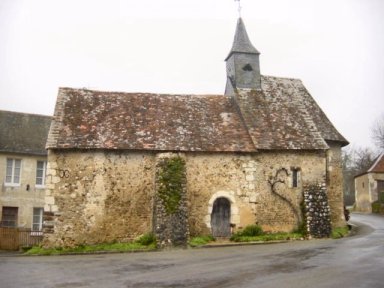
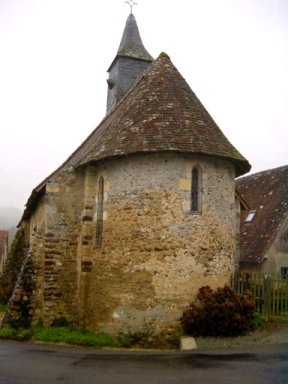
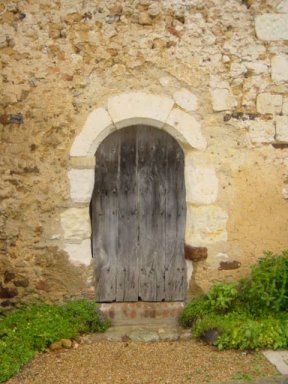
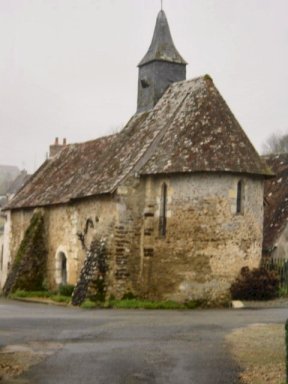
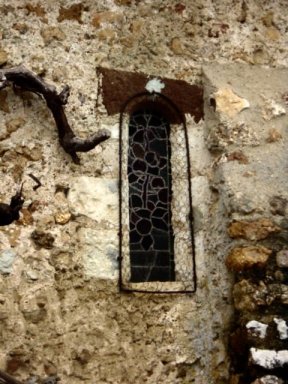
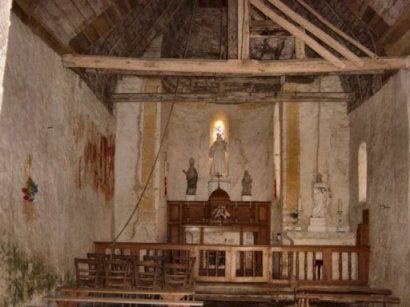
et nef - Romanesque window (11th century) with "roussard sandstone lintel and nave
La façade de l'autel est percée d'une ouverture en plein cintre qui se prolonge par une sorte de caveau contenant un sarcophage en grès roussard. Le sarcophage contenait probablement le corps de Saint-Fraimbault. La chapelle était autrefois un lieu de pèlerinage et l'on dit que les pèlerins recueillaient la poussière du sarcophage de Saint-Fraimbault qui était censée guérir les fièvres.
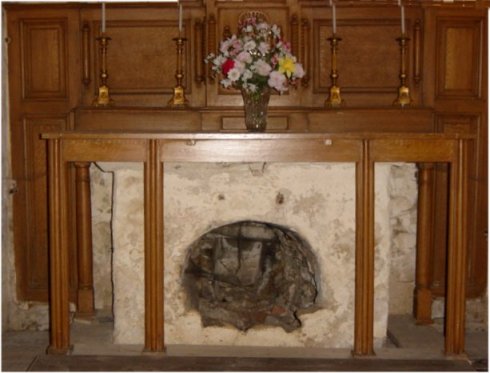
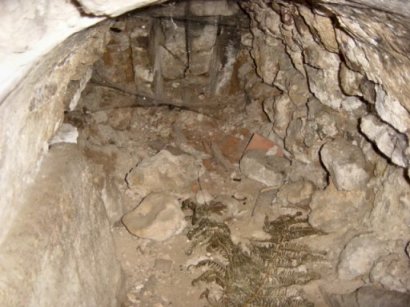
The front of the altar is pierced with a round-arched opening, prolonged by a sort of burial vault containing a sarcophagus of "roussard" sandstone. The sarcophagus probably contained the remains of Saint-Fraimbault. The chapel used to be a place of pilgrimage and it is said that the pilgrims scraped the lid and front of the sarcophagus and collected the dust, which was reputed to cure the ague.
Saint-Fraimbault was born in the late 5th century. Thanks to his origins - a rich noble family - he could have led a brilliant life at the king's court. However, he chose to live as a hermit in Yvry-sur-Seine, then in a monastery in Micy (Loiret). Later, he settled in the valley of the Gabronnes, (the valley of the goats) close to the present chapel, clearing land, teaching and performing miracles. He then founded a hermitage in the Mayenne where he died in the mid-6th century. According to tradition, he was buried in the Merovingian graveyard of the Gabronnes, about 200 yards from the present chapel, which had not yet been erected. During the Norman incursions, his remains were transferred to Senlis but his head is said to be in Saint-Frimbault-de-Prières near Laval.
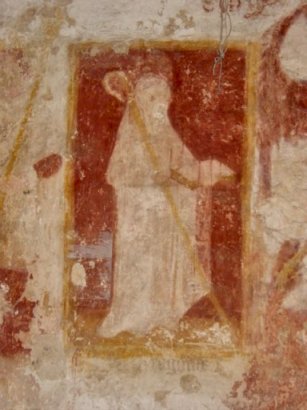
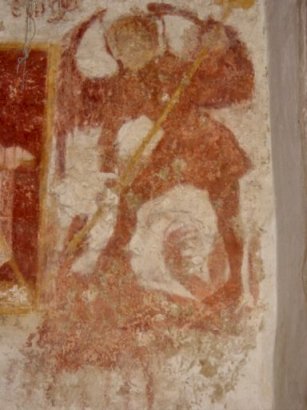
MURAL PAINTINGS (15th century:
On the northern wall, Saint Eloi, Sainte Radégonde and Saint Micheal with his spear.
Location and nearby churches
- Lassay-les-Châteaux 0.0 km
- Mayenne 17 km
- Bais 25 km
- Saint-Martin-de-Connée 31 km
- Neau 31 km
- Montsûrs 32 km